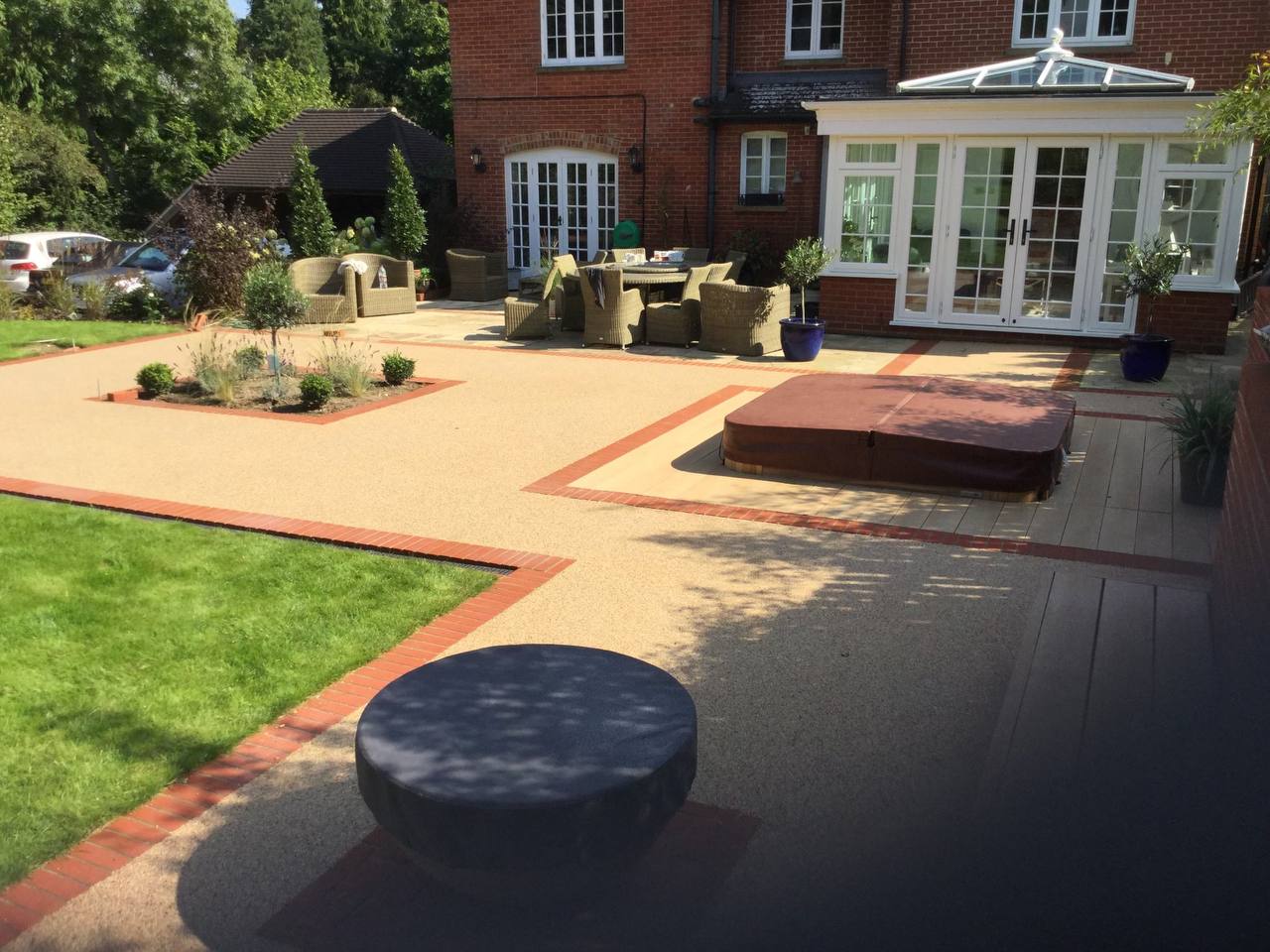
Agricultural Tarmac: Durable Surfacing Solutions for Farms and Rural Properties
Farms and rural properties need surfaces that can cope with regular vehicle movements, changing weather conditions and demanding day-to-day use. Agricultural tarmac can provide a practical surfacing solution for areas where a stable, durable and easy-to-maintain route is required.
From farm access roads and yards to private entrances and working areas, properly installed tarmac can help create a more reliable surface. For agricultural properties in Thrapston, Northamptonshire, choosing the right construction and preparation is essential for long-term performance.
What Is Agricultural Tarmac?
Agricultural tarmac is a bituminous surfacing solution designed for areas associated with farming and rural property use. Unlike a domestic driveway that may mainly accommodate cars, agricultural surfaces can experience heavier and more frequent traffic.
Tractors, trailers, vans and other agricultural vehicles can place considerable pressure on the surface. The construction therefore needs to be planned around the intended use, ground conditions and expected vehicle loads.
Where Can Agricultural Tarmac Be Used?
Tarmac can be suitable for a range of areas around farms and rural properties in Thrapston, Northamptonshire.
Common applications include:
- Farm access roads
- Private entrances
- Agricultural yards
- Vehicle access routes
- Areas around farm buildings
- Hard-standing and working areas
- Routes connecting different parts of a property
The most appropriate solution will depend on how the area is used and the type and frequency of traffic it needs to accommodate.
Why Is Ground Preparation So Important?
The durability of agricultural tarmac depends heavily on what lies beneath the finished surface. A strong, properly prepared foundation helps distribute vehicle loads and reduces the likelihood of movement or premature deterioration.
Ground preparation may involve removing unsuitable material, establishing suitable levels and installing and compacting an appropriate sub-base.
If the underlying ground is unstable or poorly prepared, even a good-quality tarmac surface may develop problems over time. This makes proper preparation an important part of any agricultural surfacing project.
The Importance of Drainage
Water can have a significant effect on the condition of a surfaced area. Poor drainage can allow water to collect on the surface or affect the layers beneath it.
Agricultural tarmac should therefore be designed with suitable falls and drainage arrangements so that rainwater can move away efficiently.
This is particularly important around farmyards and access routes, where surface water can create muddy or difficult conditions and contribute to deterioration.
Can Tarmac Handle Agricultural Traffic?
Tarmac can provide a smooth and stable surface for agricultural vehicle movements when it is correctly designed and constructed for the intended use.
The construction needs to account for the type of traffic expected. A route used regularly by tractors and heavier vehicles will have different requirements from a lightly used private access.
Considering vehicle loads, traffic frequency and ground conditions before construction helps ensure that the finished surface is appropriate for its purpose.
Benefits of Agricultural Tarmac
A properly installed tarmac surface can offer several practical benefits for farms and rural properties.
Its smooth finish can make vehicle movement easier, while a well-constructed surface can provide a cleaner and more stable alternative to an unmade route.
Tarmac can also help reduce loose material and mud being carried onto surrounding areas. With appropriate maintenance, a well-installed surface can remain functional and presentable for many years.
How Can Agricultural Tarmac Be Maintained?
Regular checks can help identify developing problems before they become more extensive. Cracks, potholes, damaged edges and areas where water collects should be investigated rather than left to deteriorate.
Drainage should also be kept clear so that rainwater can leave the surface effectively.
Where damage occurs, the cause should be considered as well as the visible defect. Addressing underlying drainage or foundation problems can be important when carrying out repairs.
Agricultural Tarmac in Thrapston, Northamptonshire
For farms and rural properties in Thrapston, Northamptonshire, agricultural tarmac can provide a practical solution where reliable vehicle access and a durable working surface are required.
Thrapston Driveways & Patios can assess the requirements of an agricultural surfacing project and consider factors such as ground conditions, drainage, intended vehicle use and the required layout.
Professional planning helps ensure that the finished tarmac is suitable for the environment in which it will be used.
Conclusion
Agricultural tarmac can provide a durable and practical surfacing solution for farms and rural properties where surfaces need to withstand regular vehicle use. However, long-term performance depends on more than the visible tarmac. Proper ground preparation, suitable construction, effective drainage and appropriate maintenance all play an important role.
If you are considering agricultural tarmac for a farm access road, yard or other rural property area in Thrapston, Northamptonshire, contact Thrapston Driveways & Patios to discuss your requirements and arrange professional surfacing services.
Call us on: 01832 773 672
Click here to find out more about Thrapston Driveways & Patios
Click here to complete our contact form and see how we can help with your driveways.